
Why Social Is the Future of Trading
Social trading is more than a trend. It's changing how people learn, trade, and connect. From copy trading to gamified platforms, discover how the market is turning into a social network.
The market no longer looks the way it used to. People aren't just trading; they're interacting. They share trades, discuss strategies, follow each other's moves, and build audiences like influencers.
Social trading transforms investing into a social experience. That shift is reshaping how people learn, engage, and operate in the market.
From Solo Trading to a Social Model
For decades, trading was a solitary practice. Traders relied on their own analysis, used closed systems, and kept their strategies to themselves. It was technical, time-consuming, and largely out of reach for beginners.
Social trading has upended that model. Now users can watch others trade in real time, follow proven strategies, and copy trades automatically. The focus has shifted from secrecy to collaboration.
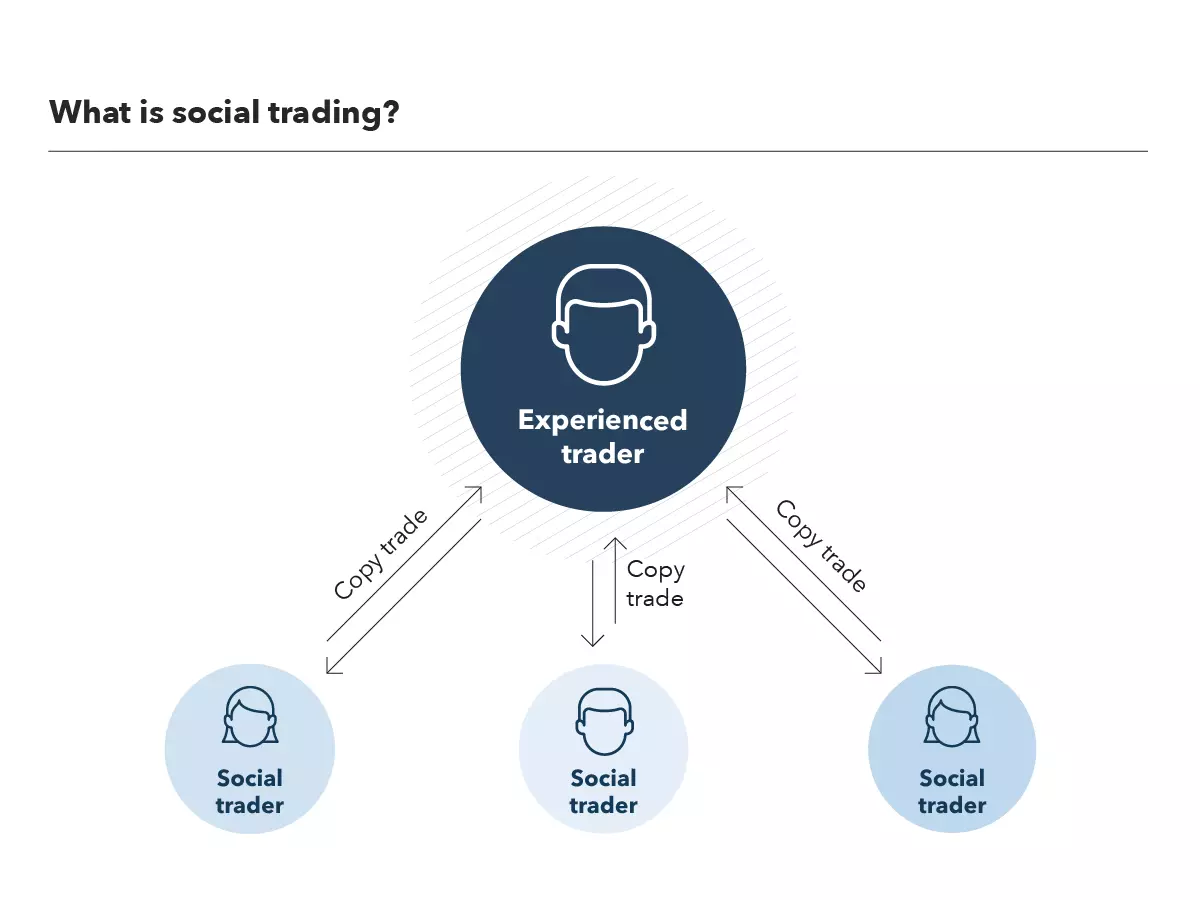
How social trading works - The Coinomist.
This change brought new tools: copy-trading platforms, strategy feeds, live chats, and community forums. Trading is no longer an isolated task. It has become a shared environment where ideas flow and decisions are made collectively.
Why It Works and Who It's For
Social trading lowers the barrier to entry, making it easier for people to participate in the market without years of study. Beginners can tap into the strategies of experienced traders, gaining exposure to live trades without needing to master technical analysis from scratch.
At the same time, skilled traders can monetize more than just their trades. They can build followings, share their setups, and earn from those who copy them. It’s not just “trade to earn” anymore. It’s also “follow to earn.”
.png)
Participants and their role in the social trading model. Source: wallstreetmojo.com
Who participates in the social trading model - The Coinomist.
This model offers clear advantages: it’s accessible, transparent, and efficient. Users can review public performance stats, set risk levels, and automate execution. What used to take hours now happens in the background, while still leaving space to learn along the way.
Inspired by Social Media, Built Like a Product
Social trading platforms don’t just replicate financial tools. They borrow directly from the playbooks of TikTok, Reddit, and YouTube. Follow buttons, real-time feeds, leaderboards, and badges are all designed to make trading feel more like a social app than a financial dashboard.
Users earn experience points for staying active, collect badges for consistency, join challenges, and get feedback from peers. Some platforms even rank traders by niche, such as top crypto strategist, most copied portfolio, or best risk manager. The result is a gamified ecosystem with its own status dynamics.
Trading becomes a media experience. Users create content, post charts, share commentary, and build reputations. The platform becomes a stage. People return not just for the market but for the audience, the recognition, and the community.
The Market Logic Behind It
More people are entering the market, but they have less time to go deep. They want quick access without studying charts or mastering technical analysis.
Fintech follows attention. Social trading captures it. It drives engagement, increases retention, and builds loyalty through interaction rather than instruction. This shift is creating a new kind of trader. One who subscribes to strategies, learns by watching others, and grows through experience, not theory.
Not Just Forex: The Trend Is Bigger Than It Seems
Social trading has moved far beyond currency pairs. What began in forex now includes crypto, derivatives, ETFs, and even tokenized real estate. The tools, platforms, and user behavior have outgrown a single asset class.
Mobile-first platforms have accelerated this shift. With just an app and a connected wallet, anyone can start following traders in minutes. Broker and DeFi integrations reduce friction and make the experience seamless for everyday users.
The next phase is already taking shape. Platforms are adding AI-driven trade ideas, personalized feeds, and adaptive strategies based on individual risk profiles. Social trading is becoming a smart, automated, multi-asset system.
This is more than a feature upgrade. It is a structural shift in how retail investors enter and navigate the markets. And it’s just getting started.
Conclusion: Not a Trend, but a New Paradigm
Social trading is not just another feature. It reflects a deeper shift in how people consume information and interact with finance.
It makes trading more accessible, more interactive, and more culturally embedded. That’s why it’s not just the future. It’s already here.